Strengthening Military Leadership Qualities: A Path to Excellence.
In any armed forces, effective leadership is a cornerstone for success. Military leaders play a crucial role in shaping and guiding their units, making critical decisions, and inspiring their teams to achieve extraordinary feats. The development and enhancement of leadership qualities are therefore essential to ensure a robust and efficient military force. Hereunder are some key strategies to strengthen military leadership qualities, fostering a culture of excellence and resilience.
Lead by Example: Leading by example is a fundamental aspect of military leadership. Demonstrating integrity, discipline, and professionalism sets the tone for the entire unit. Effective leaders must adhere to high ethical standards, maintain physical fitness, and exhibit a strong work ethic. By embodying the values and principles they expect from their subordinates, leaders inspire loyalty and create a cohesive and disciplined team.
Strengthening Military Leadership Qualities: A Path to Excellence
Continuous Learning and Professional Development: Military leaders must possess a thirst for knowledge and a commitment to continuous learning. Engaging in professional development opportunities such as attending leadership courses, workshops, and seminars not only enhances individual skills but also broadens perspectives. Encouraging lifelong learning within the military cultivates adaptability, critical thinking, and the ability to make informed decisions in complex and rapidly changing environments.
Effective Communication: Clear and effective communication lies at the heart of successful military leadership. Leaders must master the art of articulating their vision, objectives, and expectations to their teams. Listening attentively to subordinates' concerns, feedback, and ideas fosters trust and enables leaders to make well-informed decisions. Furthermore, effective communication enables leaders to motivate and inspire their troops, boosting morale during challenging times.
Building Trust and Empowering Others: Leadership is not about micromanagement; it is about empowering others to excel. Trust is the foundation upon which leaders build strong and cohesive teams. By delegating responsibilities, encouraging initiative, and empowering subordinates, leaders foster a sense of ownership and accountability. Recognizing and rewarding individual and collective achievements not only motivates personnel but also strengthens the bond between leaders and their teams.
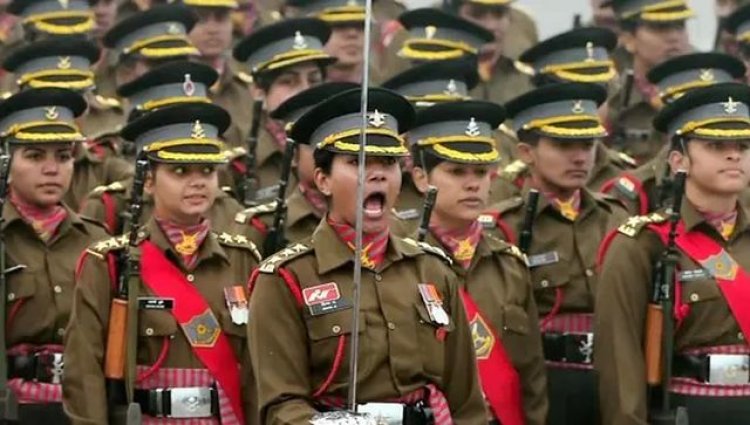
Embracing Diversity and Inclusion: In today's diverse military landscape, effective leaders must embrace diversity and promote inclusivity. Encouraging different perspectives, backgrounds, and experiences fosters innovation and creativity within the ranks. Leaders who value diversity create an environment where everyone feels valued, respected, and empowered to contribute their unique strengths to the mission's success.
Resilience and Adaptability: Military leadership often requires navigating through challenging and unpredictable situations. Leaders must cultivate resilience and adaptability to overcome adversity and make difficult decisions under pressure. By maintaining a positive attitude, remaining calm in the face of uncertainty, and fostering a culture of resilience, leaders inspire their teams to persevere and achieve success even in the most demanding circumstances.
Strengthening military leadership qualities is an ongoing process that requires dedication, self-reflection, and a commitment to personal and professional growth. Effective leaders in the military possess the ability to inspire, guide, and empower their teams, ensuring the highest level of performance and mission success. By leading by example, embracing continuous learning, fostering effective communication, building trust, embracing diversity, and cultivating resilience, military leaders can pave the way for excellence in their units and contribute to the overall strength and readiness of the armed forces.